

Protein for a plant-based diet isn't hard at all once you know a few staple foods to keep around. This post is a discussion on protein: what it is, how much you should eat, what are the best sources, and high-protein recipes.
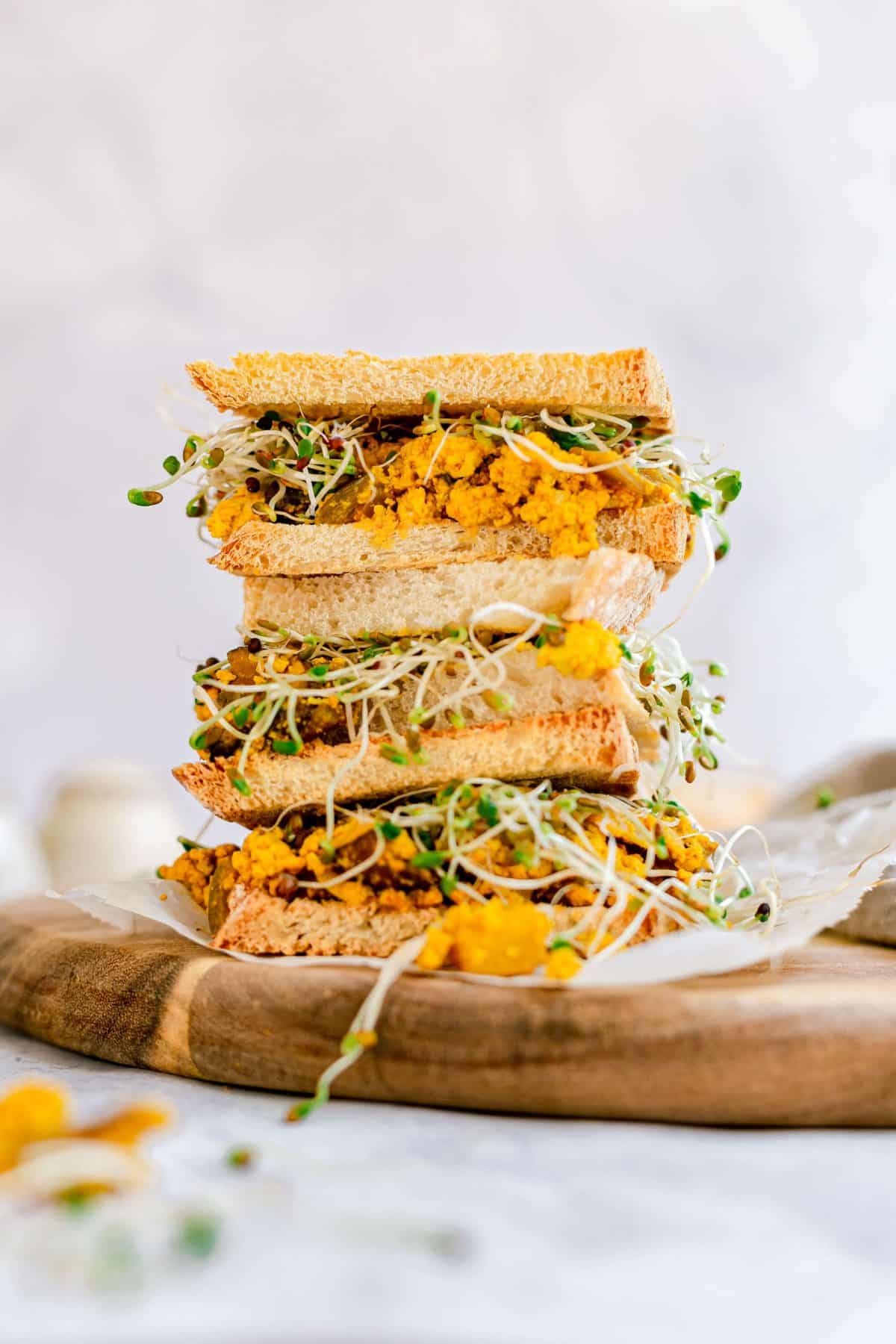
So you want to eat more plant-based and make sure you're getting enough quality protein? You've come to the right place.
Or maybe you're interested in learning more about protein in general. What it is. How much you should eat. You've also come to the right place.
I've been researching protein for years now. Before I became plant-based and especially now that I've been plant-based for more than three years.
I've also done some pretty cool things as an athlete: run a marathon, several half-marathons, lifted PRs and more. I keep track of my protein intake and know how to properly fuel my body. I'm also a foodie - I love to eat incredibly tasty food, not boring or basic.
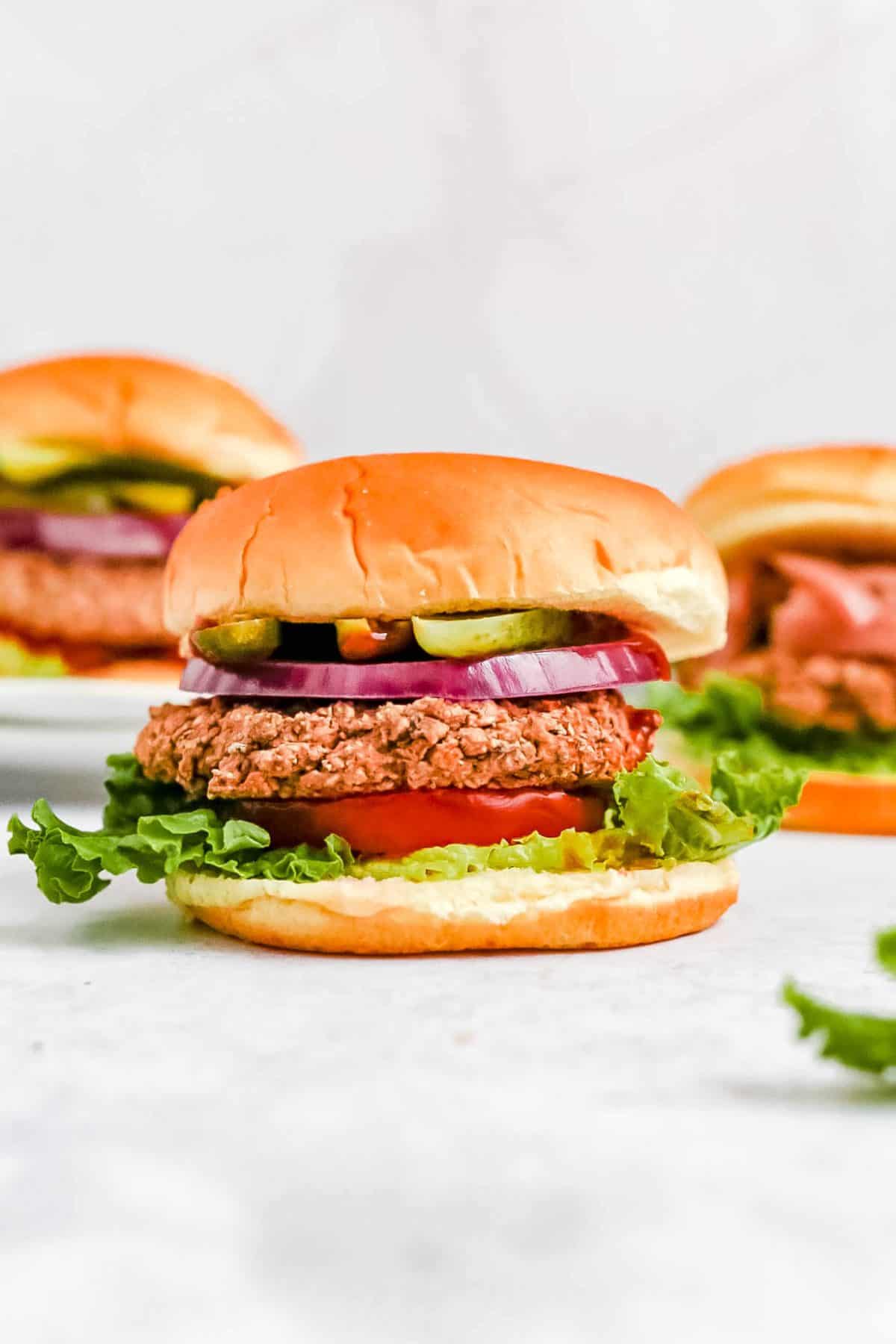
So let's talk about protein. What it even is. How to get enough. Protein for a plant-based diet. Eating protein as an athlete. High-protein recipes. Everything you ever need to know.
**Before we jump in, please note that I am not a doctor or nutritionist. The post below has been written based on my research over the last 6 years. Including reading books, listening to podcasts, and watching documentaries, a list of which you can find here. All my sources are cited in-text below. If you see something that is not cited, it is because I have heard it from at least three credible sources and consider it to be common knowledge. If you see something that you don't consider to be fact, please let me know and I will re-research it to establish fact.
What is protein and why is it important?
Protein is a macronutrient. Macronutrients are the nutritive components of food.
There are three main macronutrients: protein, fats, and carbohydrates. All foods contain some combination of these three. (Some foods also contain alcohols. But to keep it simple, we'll stick with the three.)
Everyone needs a balance of the three macronutrients in order to be healthy. Each person is unique in the exact ratio that works for them, but fundamentally, we all need some protein, some carbohydrates, and some fat.
Proteins are molecules. These molecules are made up of smaller parts called amino acids. And they execute essential functions in the body. Like muscle building, protection from viruses, carrying messages, and more.
We all need protein. Without it, our bodies would not function properly.
Every single person needs an adequate amount of protein. But not everyone needs the same amount.
Protein Requirements for Adults
The National Academy of Medicine has a Food and Nutrition Board that sets a recommended daily allowance (RDA) for various nutrients.
An RDA is the amount that you need to meet basic nutritional requirements.
Depending on your size you need different amounts of nutrients to remain healthy. A taller person needs more calories and therefore takes in more nutrients.
So, some RDAs are calculated based on weight.
The RDA for protein is .8 grams per kilogram of bodyweight.
Calculate your Protein Needs
To estimate your weight in kilograms, divide your bodyweight in pounds by 2.2. Then, calculate your protein requirement by multiplying your weight in kilograms by .8.
Remember, this is a recommended number.
The calculations are conservative - meaning that when these recommendations were created, they suggested a higher number than your actual minimum. If they provided a recommendation of your actual minimum, it would put a lot of people in danger.
So, it's completely okay if you eat a little less than the RDA on some days.
This is also a generic number.
Not everyone will achieve optimal nutrition and health by eating exactly this amount of protein each day.
You might find that you feel better eating more or less than this number. Don't stray too far below, because there is a minimum you need to get.
Especially if you are more active, you might benefit from more protein than the baseline.
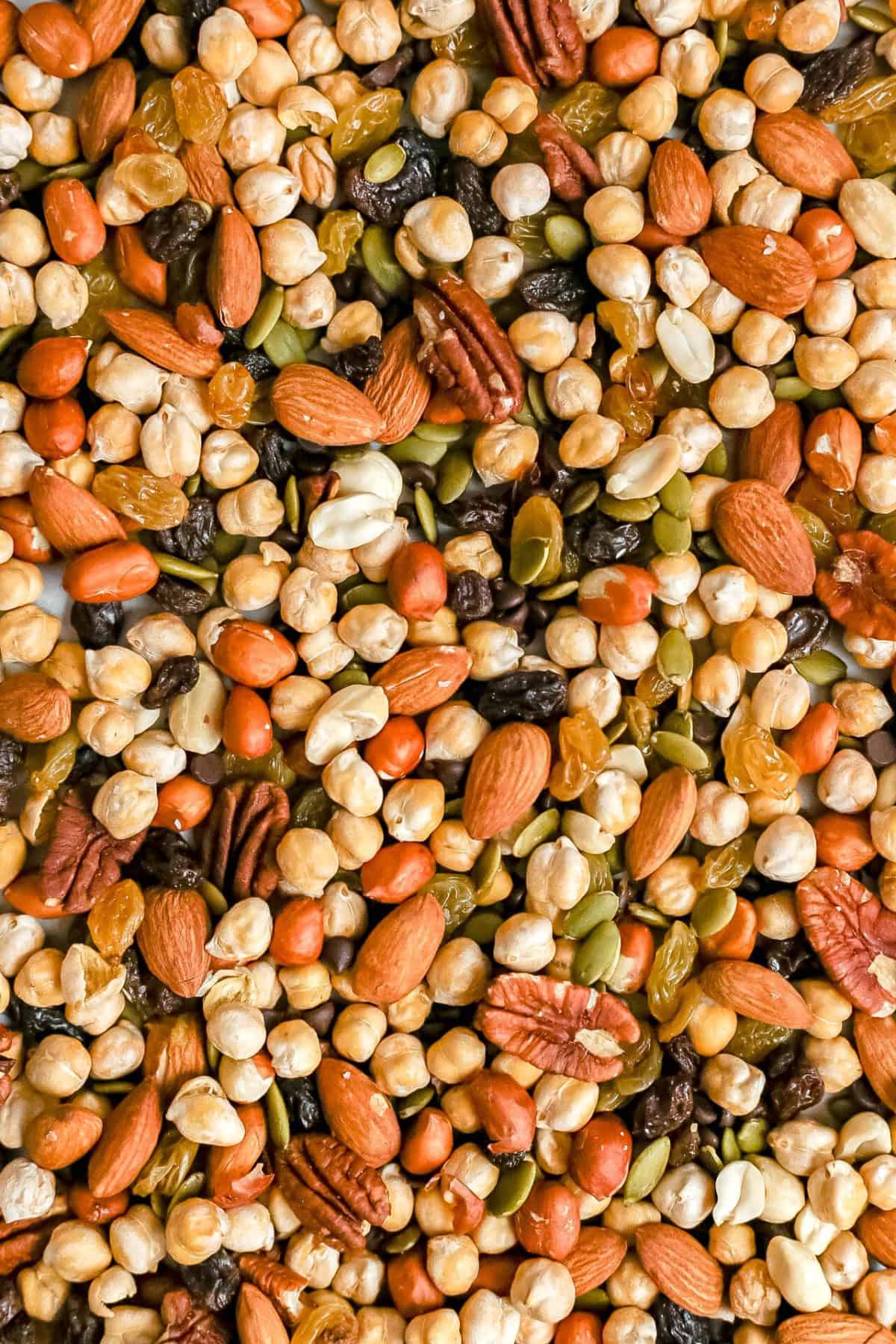
Protein Requirements for Athletes
If you strength train, run, do yoga, etc. you might feel and perform better if you eat more protein than the standard RDA.
The American Dietetic Association, Dietitians of Canada, and the American College of Sports Medicine recommend a protein intake of 1.2 - 1.7 grams per kilogram (0.5 - 0.8 g/lb.) of body weight per day for both strength and endurance athletes.
Why?
Athletes are generally using more energy throughout the day and therefore need to eat more in general.
They are also breaking down their muscles (via microtears) during exercise and need extra protein to build it back.
So, if you're any sort of athlete, you should consider increasing your protein intake.
This shouldn't be too difficult, as you will naturally be more hungry from exercise.
So we've established that we all need protein. And we can estimate how much protein we need. But where do you get protein? How do you know it's good for you?
What foods have protein?
Most foods have at least some protein. Each food has a combination of macronutrients. Lots of foods have a mix of protein, carbohydrates, and fats. Some just have two of the three. And a few have only one.
Below you'll find a short list of 'high' protein foods.
I'm defining 'high' in two ways:
One. "has a significant percentage of protein." As in, spinach is high in protein - protein accounts for 50% of the calories in spinach.
Two. "can eat a reasonable amount of this food to get a sufficient serving of protein." As in, tofu is high in protein - a block of tofu has 52 grams of protein.
I'm not defining 'high' as "has 20 grams of protein" or "has 30 grams of protein." Any food can have 20 grams of protein if you eat enough of it. There is ½ a gram of protein in an apple, but if I ate 40 apples I could get 20 grams of protein.
Does that make sense? When thinking about protein we should be thinking of both the overall grams of protein as well as the protein percentage. Because who is actually going to eat 40 apples?
But I might eat several cups of broccoli and a quarter block of tofu for my 20 grams of protein.
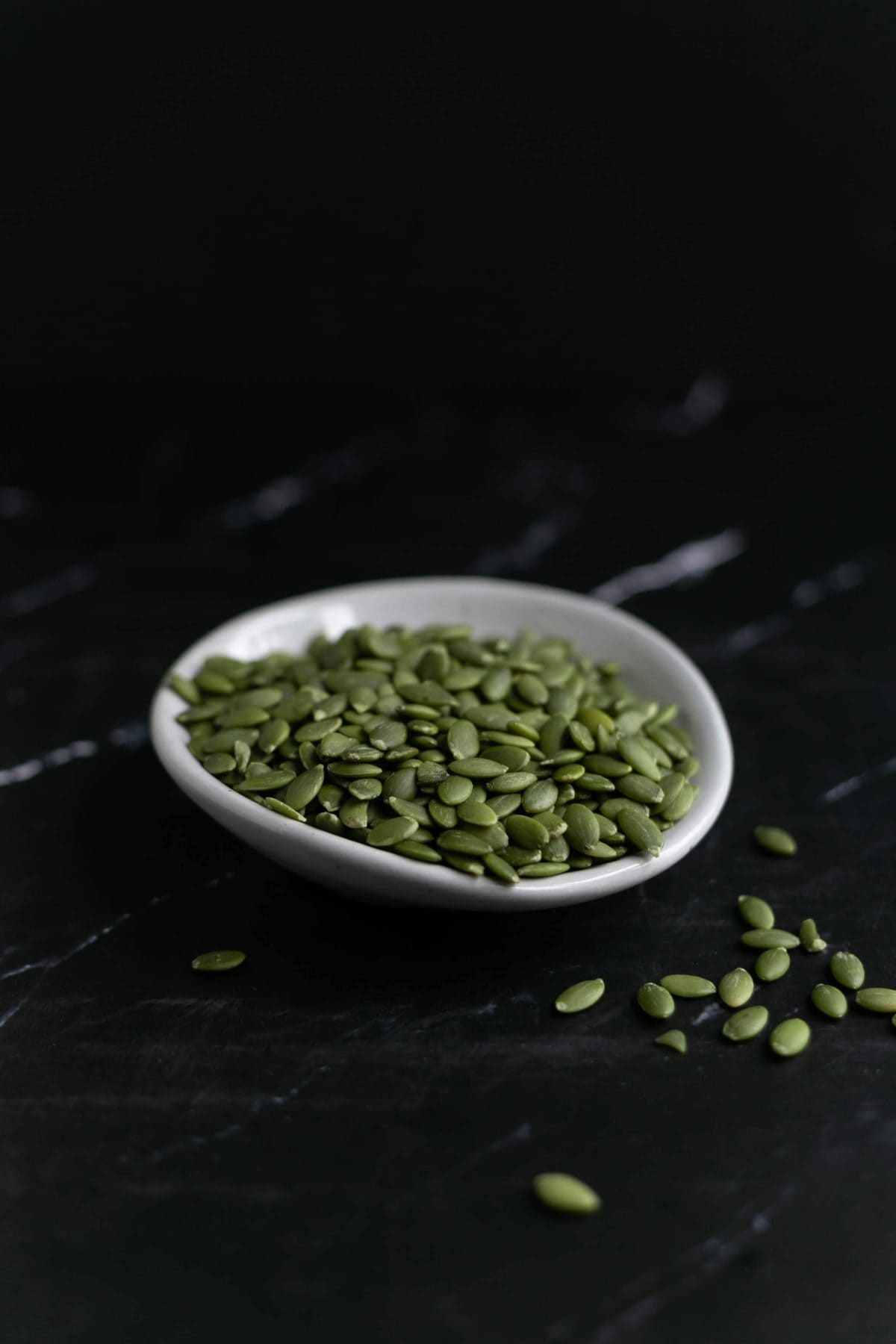
Plant-Based Foods high in protein
You can search easily enough on the internet or various calorie calculators for protein percentages in any food you want. But I'll just list a few common foods that are 'high' in protein.
This list is not exhaustive. It's just meant to give you an idea.
Bean Sources of Protein
- Soy Beans (and tofu/tempeh): 28.6g/cup
- Lentils: 17.9g/cup
- White Beans: 17.4g/cup
- Edamame: 16.9g/cup
- Split Peas: 16.3g/cup
- Black Beans: 15.3g/cup
Vegetable Sources of Protein
- Brussels Sprouts: 5.6g/cup
- Spinach: 5.3g/cup
- Asparagus: 4.3g/cup
- Broccoli: 2.6g/cup
Grain Sources of Protein
- Quinoa: 8.1g/cup
- Wild Rice: 6.5g/cup
Nut/Seed Sources of Protein
- Pistachios: 5.9g/ounce
- Almonds: 5.9g/ounce
- Pumpkin Seeds: 5g/ounce
- Chia Seeds: 4.9g/ounce
Why is Plant-Based Protein Better?
You'll notice I only listed plant-based sources of protein.
Animal meat and dairy products have protein too. But there are myths that animal protein sources are better. They aren't.
Myth: you need to eat a "complete" protein at each meal.
Okay, woah. What is a "complete" protein?
A "complete" protein is defined as a protein source that contains all nine essential amino acids.
Remember when we talked about amino acids? Proteins have all sorts of them. But nine of them are amino acids that our human bodies can't produce. So we need to eat them.
Many people are under the impression that we need to eat a source of protein with all the amino acids at each meal. This is false.
While it's true that we do need all nine essential amino acids, we don't need them all at one time. As long as you eat a variety of proteins throughout the day, you don't need to worry about this.
And it's not like the clock resets itself at the end of every 24 hour cycle. Your body will not malfunction if it only gets eight out of nine amino acids for one day.
Why do we even care about "complete" proteins?
Well, animal proteins are generally considered "complete" because they are literally meat of another animal. Of course they will have all the amino acids.
However, only a few plant proteins are "complete."
All of the essential amino acids CAN be found in plant-based foods, just not always all together in one food.
But as we just established, it doesn't matter if your protein is complete or not, as long as you are eating a variety of foods. So this is not a strike against plant protein.
For more information on this myth, see sources here and here.
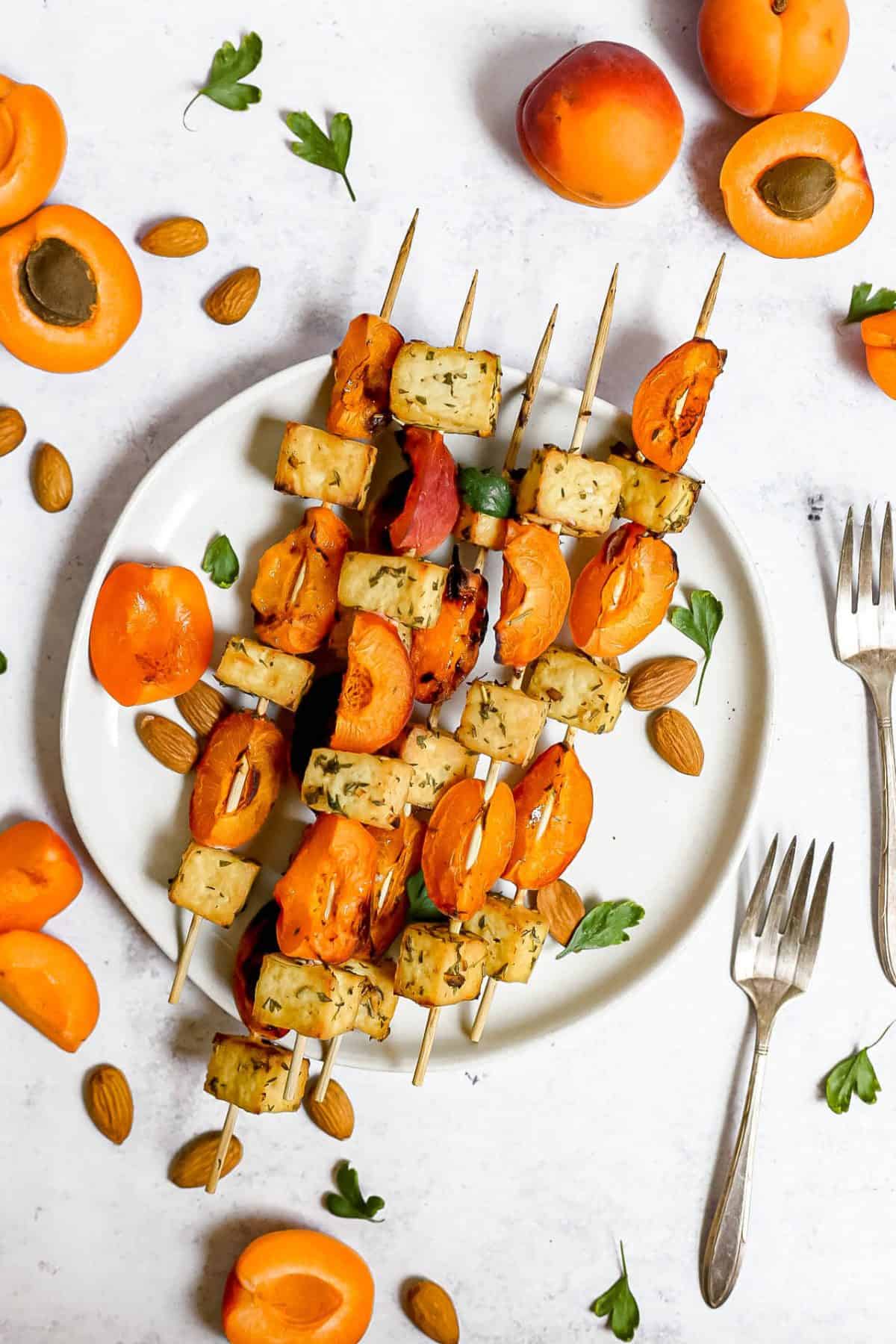
Consider the protein package
What we should be thinking about when we eat protein is what is coming with the protein. As Harvard calls it, the "package."
According to Harvard: "It's also important to consider the protein "package" - the fats, carbohydrates, vitamins, minerals, and other nutrients that invariably come along with protein. Aim for protein sources low in saturated fat and processed carbohydrates and rich in many nutrients."
Which protein sources have low (or no) saturated fat and are rich in nutrients? Plant proteins.
In an analysis conducted at Harvard among more than 130,000 men and women who were followed for up to 32 years, the percentage of calories from total protein intake was not related to overall mortality or to specific causes of death. However, the source of protein was important.
Reducing red meats and processed meats can reduce your risk of several diseases and premature death.
As I like to mention whenever possible: bacon and other similarly processed meats are on the American Cancer Society's list of Class 1 Carcinogens. This is the same class as cigarettes! Meaning that they are known to cause cancer.
Consider the environmental impact
Your choice of protein doesn't only affect you. It affects the world.
Agriculture, specifically animal agriculture, is a major contributor of greenhouse gas emissions globally. As most people know, this is accelerating climate change at an increasing rate.
Not all foods have an equal impact. Production of animal-based foods has higher greenhouse gas emissions than producing plant-based foods. (Source)
According to the World Resources Institute Protein Scorecard, beef, poultry, and dairy products have among the highest greenhouse gas impact!
Choosing more plant sources of protein is not only better for your body, it is better for the earth.
If you want to learn more about the impacts of a plant-based diet, I invite you to read my post about Why Catholics Should be Plant-Based. Even if you're not Catholic. This post presents information about why plant-based diets are better for health, animals, and the environment.
Protein for a Plant-Based Diet
So, we've now established several things:
First. What protein is (a macronutrient). And that it's essential.
Second. We know approximately how much protein we should be eating each day. Or at least how to calculate it.
Third. There are plenty of plant-based protein sources. Almost all foods have some protein. And many plant-based foods are high in protein.
Fourth. Plant-based proteins are better for your health. They have a more well-rounded nutritional package, containing micronutrients and fiber along with the macronutrient, protein.
Fifth. Plant-based proteins are better for the environment. They create a significantly smaller environmental impact and contribute fewer greenhouse gasses.
The next question is, what do we do?
You now know A LOT of information on protein.
Even if you already knew some of this info, there's still a lot to digest. (Pun not really intended.)
The key to understanding diets and nutrition is to adopt a wholistic approach.
You don't have to do a nosedive into protein and start tracking every piece of food you eat to achieve exactly the right number of grams each day. That's a bit overkill.
But it would be helpful to understand your protein intake on an average day. And consider the quality of the proteins you are eating. Maybe change things up a bit to create nutrient variety in your diet.
This sounds cliché to say, but knowledge is power. You're already on the right track because you know more.
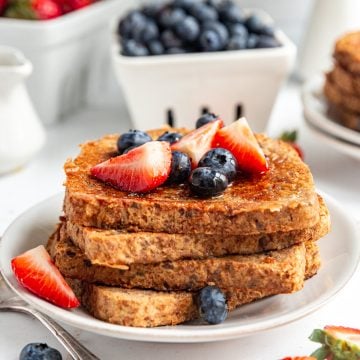
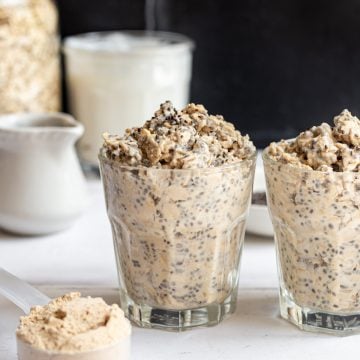
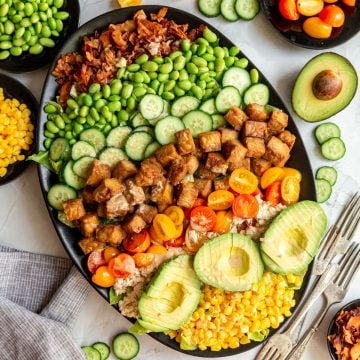
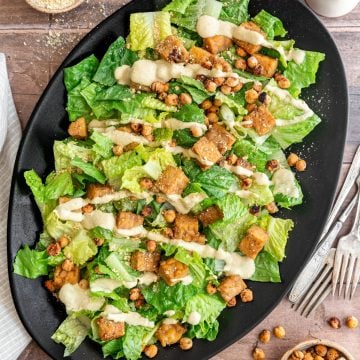
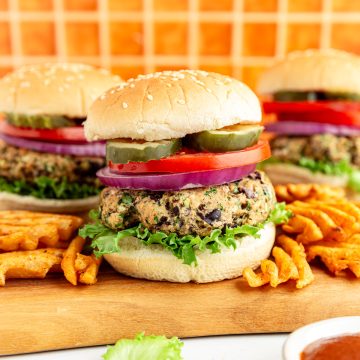
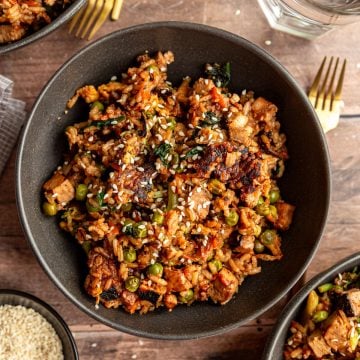
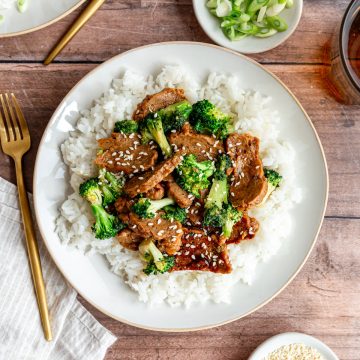
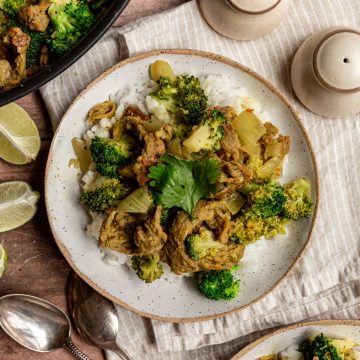
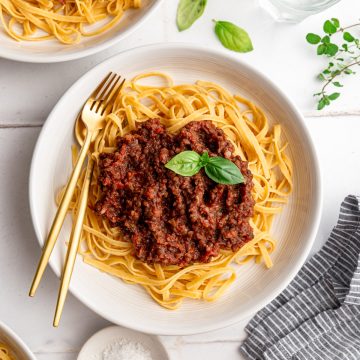
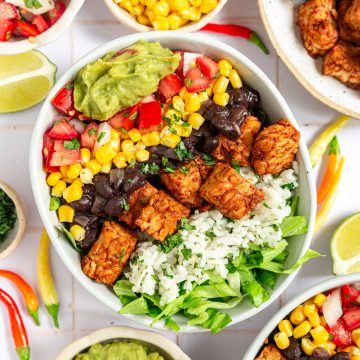
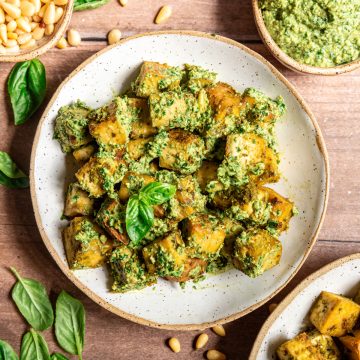
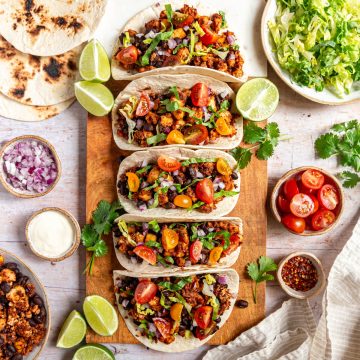
But if you're looking for some specific meals or foods to cook, I've gathered some of my higher protein recipes for you to check out.
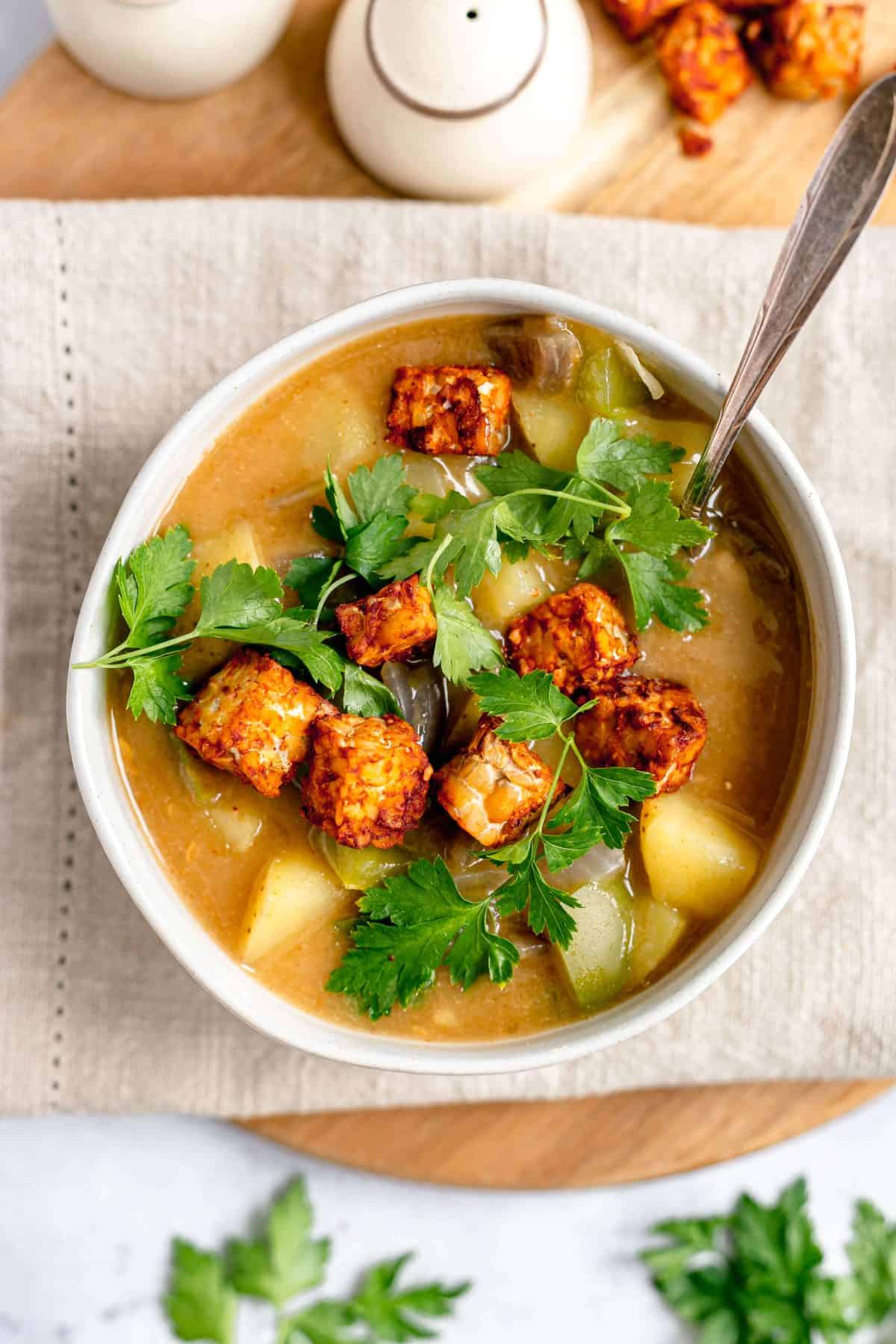
Easy Plant-Based High-Protein Recipes
Breakfast
Soups/Salads
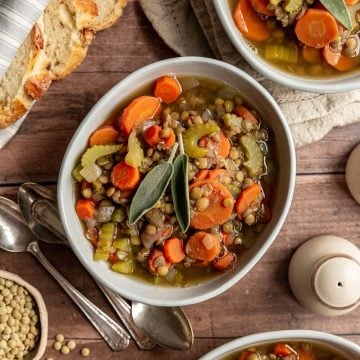
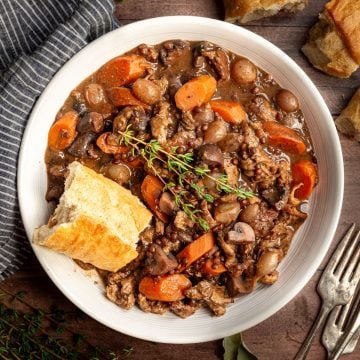
Lunch/Dinner
Should you take protein powder on a plant-based diet?
Unless you are an extreme athlete, there is really no need to take a protein powder.
If you are eating enough calories for your height and weight, and are eating a well-balanced diet (i.e. a good mix of fruits, vegetables, whole grains, beans, nuts, and seeds) you should not have any issues getting enough protein.
But, you may find yourself struggling to reach the recommended protein or just have some days where you don't feel like eating a ton of beans and spinach. That's okay.
It might be useful to keep a protein powder around for those days.
Protein Powder Recommendations
Animal-based protein powders have the same issues mentioned above regarding animal meat and dairy. So I'm only recommending plant-based protein powders here.
A minimally processed powder with no added sugar is ideal. Sugars or sweeteners have their own issues (that I won't dive into now). But most of us know to avoid added sugars.
Here are a few protein powders that I've tried and liked. This post isn't sponsored by any of these brands and there's no affiliate links or codes. I'm simply recommending a few powders that I've personally tried, and have minimal/clean ingredients.
- Garden of Life: we use this brand regularly in my family. It has no added sugar or stevia. And has a variety of protein sources.
- Complement: this is one of my favorite overall brands. Complement also sells supplements, which I take daily. Their protein is made with just a few ingredients and incredibly cost-effective.
- SunWarrior: this brand was my go-to for a while. They have an unflavored option and the taste was fairly neutral.
Beyond Protein
Whether you were interested in this post for the recipes, the protein sources, or the science, it's important to note that there's a lot more to food and to life than protein.
It's great to be aware of what you eat. In fact, this is something I'm very passionate about.
But life isn't about protein. And, life isn't about food.
This is not to say that we shouldn't care about protein or about food in general.
Rather, it's to serve as final reminder: don't stress yourself out. You don't need to overhaul your life at one time. And you don't need to make protein the center of your attention.
Make changes in your life that allow you to eat better and live better. But then actually go and live better.

Alright. Enough sappy talk. I hope you learned something about protein.
Let's continue the conversation
If you learned something or have a question please leave a comment below. You can also stay in touch with me on social media by following me on Instagram, Pinterest, and TikTok or by subscribing to my newsletter.


Comments
No Comments